Post by Marlena Carrillo, Digital Initiatives Coordinator in the Digital Initiatives unit of the USF Libraries
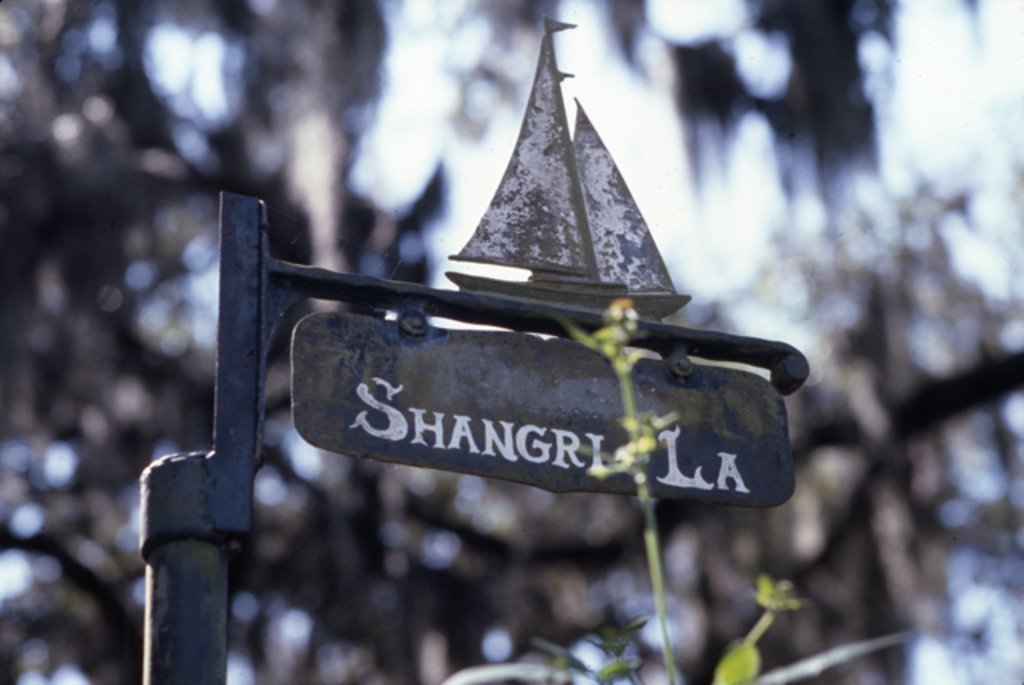
The University of South Florida Libraries is pleased to announce the launch of the Shangri-La Collection, a new digital selection of USF’s University Archives documenting one of the university’s most unique and beloved historic properties.
Located on the north shore of Lake Thonotosassa, approximately 20 minutes from the USF Tampa campus, Shangri-La was a 29-acre lakeside retreat owned by the University of South Florida Foundation. The property’s centerpiece, a rustic log-and-shingle cabin, was originally built in 1929 by dentist Dr. Malcolm Smith and named “Shangri-La” after the idyllic paradise featured in James Hilton’s novel Lost Horizon.
The newly available collection features photographs that capture Shangri-La’s scenic landscape, recreational activities, and role in university life. In addition to the photographs, the collection also includes a rare audiovisual recording and transcript from a presentation about the property. The narration offers a fascinating glimpse into how Shangri-La was described and used during the 1980s, when it was commonly known as the Smith Recreation Center.
Nestled among moss-draped trees, orange groves, and more than 1,000 feet of Lake Thonotosassa’s shoreline, the audiovisual record sheds light on the property’s greater contribution to the region’s cultural heritage. The presentation highlights the historical significance of the Smith house, noting its inclusion in Florida’s historic master site plan and describing it as an example of a once-popular architectural style built from indigenous materials.
Beyond its natural beauty, Shangri-La was a treasure of the university community for many years. Students, faculty, and staff alike visited the property for recreation, meetings, and social events. The USF Sailing Club launched boats from its shoreline; the Water Ski Club practiced on the lake; and university organizations frequently made use of the cabin, picnic areas, barbecue pits, and other outdoor amenities. During the spring semester of 1985 alone, more than fifty student organizations and university departments reportedly held events at Shangri-La.
Shangri-La was also utilized for its academic value. University departments used the property for research, field studies, and outdoor learning experiences, while archaeologists recognized its potential significance due to nearby historical and archaeological resources. Faculty reportedly viewed the site as a place where recreation, education, research, and environmental observation could come together in a uniquely hands-on setting.
The photographs in this collection offer a glimpse into a chapter of USF history that many alumni remember fondly. From waterfront activities and student events to scenic views of the cabin and grounds, these images capture the role Shangri-La played in campus life throughout much of the university’s early history.
Whether you remember Shangri-La from your time at USF or are discovering it for the first time, this collection offers a window into a distinctive part of the university’s history. We invite you to explore the photographs, listen to the narration, and learn more about a place that once served as a gathering space for recreation, scholarship, and community. Learn more about this idyllic property.